Dish with Three Jars. Edo period (1615–1868), 1680–90s. Porcelain with cobalt under and polychrome enamels over a transparent glaze (Hizen ware, Nabeshima type), H. 1 5/8 in. (4.1 cm); Diam. 6 in. (15.2 cm). The Metropolitan Museum of Art, New York, The Harry G. C. Packard Collection of Asian Art, Gift of Harry G. C. Packard, and Purchase, Fletcher, Rogers, Harris Brisbane Dick, and Louis V. Bell Funds, Joseph Pulitzer Bequest, and The Annenberg Fund Inc. Gift, 1975 (1975.268.563)
The Metropolitan Museum of Art invites visitors to experience two new exhibitions that celebrate the richness and diversity of Asian art. Now open, The Infinite Artistry of Japanese Ceramics reveals the remarkable innovation and refinement of Japanese ceramic arts across centuries. Opening soon, Household Gods: Hindu Devotional Prints, 1860–1930 offers a vivid glimpse into the colorful, intimate world of popular religious imagery. Together, these exhibitions promise moments of beauty, insight, and discovery not to be missed.
The Infinite Artistry of Japanese Ceramics
Through August 8, 2027
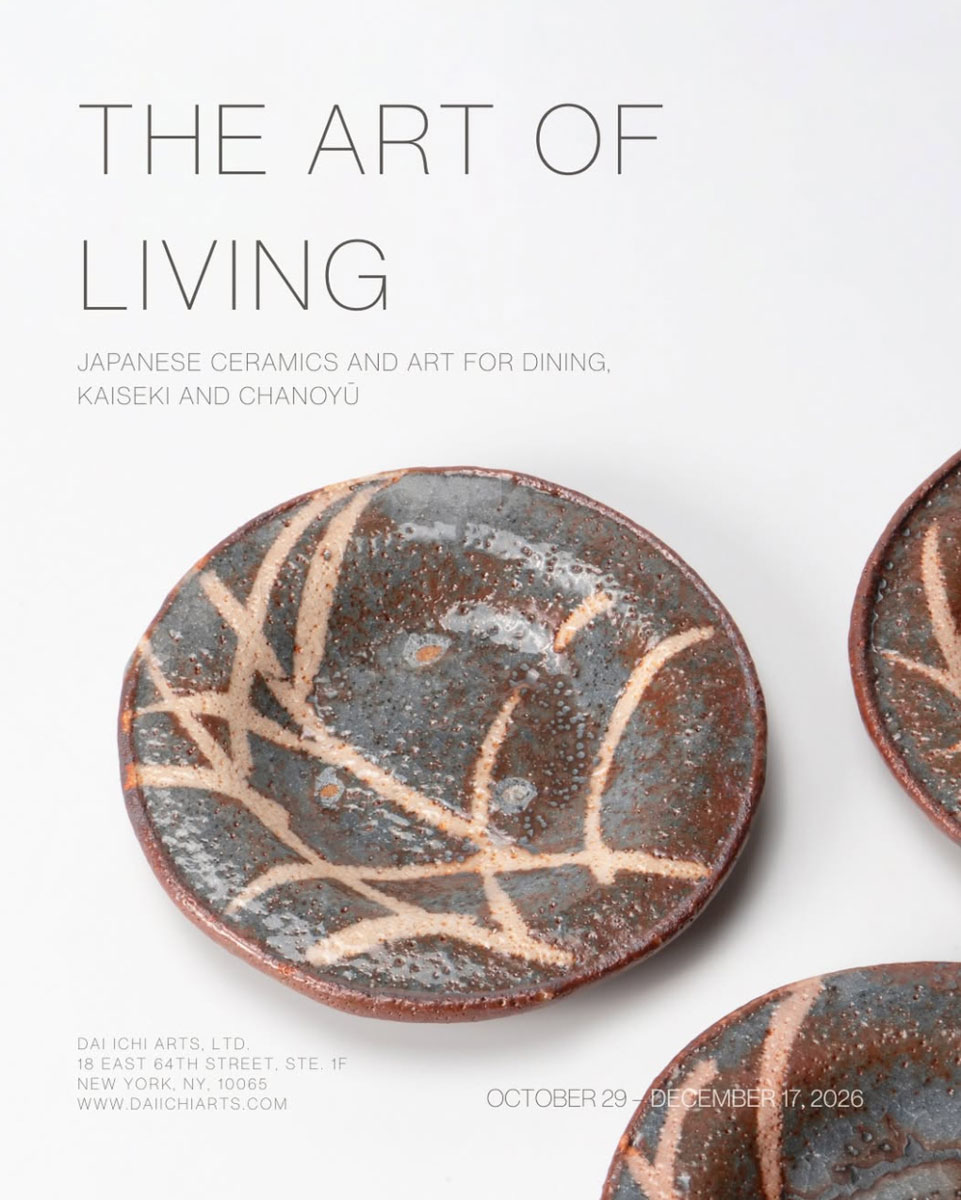
From the earliest hand-built figurines rooted in spiritual beliefs to the vibrant works that define today’s contemporary ceramic art scene, Japanese pottery reflects exceptional creativity and a refined sense of beauty. Its distinctiveness arises from the ingenuity and mastery of the potters, as well as the wide range of wares that have long supported daily life. This exhibition explores Japan’s extensive and rich history of ceramic art through approximately 350 extraordinary works presented in themes that offer fresh perspectives on the diverse forms and functions, from everyday tableware to vessels created for tea masters and elite households to modern sculptural compositions.
Japan’s earliest pottery dates back more than 12,000 years, when makers shaped and fired clay vessels for cooking and storage—objects that bear the traces of these early potters’ hands. Expertise transmitted from China and Korea in medieval times facilitated the development of new Japanese techniques and wares. Over time, the reverence for prized ceramics led to finding beauty even through damage. Japanese artisans developed kintsugi, the art of repairing broken ceramics with gold lacquer, restoring the damaged object’s function while making it even more precious and valuable. Japanese cuisine and dining aesthetics inspired vessels designed to harmonize with the color and texture of food. Many porcelains from the Edo period (1615–1868) are embellished with motifs drawn from the natural world or symbols of happiness, longevity, and good fortune.
Featuring refined ceramics and other artworks from the Museum’s Harry G. C. Packard Collection, this exhibition celebrates the 50th anniversary of this landmark acquisition that established the foundation of The Met’s Japanese art holdings. By placing ceramics in dialogue with related art forms—including lacquers, textiles, paintings, and woodblock prints—the display inspires curiosity about the multiverse of Japanese ceramics and its broader cultural contexts.
During the exhibition, a selection of artworks will come off view and be replaced by new works:
Rotation 1: January 19–May 12, 2026
Rotation 2: May 14–August 16, 2026
Rotation 3: August 29–December 8, 2026
Rotation 4: December 10, 2026–March 28, 2027
Rotation 5: April 10–August 8, 2027
To learn more, click here.

Subramaniyan with his consorts Valli and Devasena (detail), Ravi Varma Press, c. 1900–1915, Color lithograph, varnish. The Metropolitan Museum of Art, New York, Purchase, Friends of Asian Art, 2021
Household Gods: Hindu Devotional Prints, 1860–1930
January 24, 2026 – June 27, 2027
In Hinduism, the act of darshan, or “seeing god,” is central to worship. This intimate exchange between deity and devotee traditionally takes place in the temple. But within each home is also a shrine, dedicated to that householder’s chosen deity. The need to display an image of the divine in the home was traditionally fulfilled by small icons made of clay or metal. In the mid-19th century, new technologies were introduced into India, first photography and then the chromolithographic press. The latter permitted the production of inexpensive prints of the Hindu gods for mass consumption. These proved immensely popular and for the first time in India, even the humblest home could afford a colorful icon of their chosen god to display in the household shrine.
Household Gods: Hindu Devotional Prints, 1860–1930 presents the first encyclopedic exhibition of these chromolithographic prints from the pioneering studio presses of Calcutta (Kolkata), Poona (Pune), and Bombay (Mumbai). These mass-produced prints became a powerful means of expressing Indian religious identity at a time when the country was experiencing the first stirrings of the Independence movement.
Featuring approximately 120 works, shown in four rotations, from The Met’s collection of chromolithographic prints, along with paintings and portable triptych shrines, Household Gods provides a unique window on the vibrant tradition of Indian devotional imagery on the cusp of modernity.
During the exhibition, a selection of artworks will come off view and be replaced by new works:
Rotation 1: January 24–May 25, 2026
Rotation 2: May 30–October 11, 2026
Rotation 3: October 17, 2026–February 21, 2027
Rotation 4: February 27–June 27, 2027
To learn more, click here.